
Risk Warning: This article is not a personal recommendation and is not an offer or inducement to invest. Investments of the type described carry significant risk, including the loss of all capital invested. The value of investments and any income from them can fall as well as rise, and is not guaranteed. Past performance is not a reliable indicator of future results. Investments of this kind may be illiquid and difficult to sell. Seek independent professional advice before acting.

TABLE OF CONTENTS
- Definition of Social Housing Lettings
- Shortfall in Social Housing
- Surge in Social Housing Demand
- Investment Opportunities in Social Housing
The UK is currently facing a significant challenge with over 1.2 million households on the social housing waitlist, marking a 5% rise in the past two years. The shortage of social housing units is evident and needs urgent addressing. Presently, around 104,510 individuals and families are residing in temporary shelters, the highest number recorded so far. The financial burden of this crisis on the government is substantial, with expenditures on temporary housing reaching billions. Specifically, in the fiscal year 2022/23, approximately £2.4 billion was allocated to address this issue, with £1.7 billion being spent on temporary housing costs.
The most impacted regions in the UK are the North West and North East, where Global Investments is concentrating its resources to mitigate the problem. Regional disparities in social housing pressure often track wider economic patterns: areas with a legacy of industrial decline, lower average incomes, and constrained local authority budgets tend to face both higher demand for affordable housing and less capacity to fund new supply from local resources alone, which is part of why private and institutional capital is increasingly treated as a necessary complement to public funding rather than an optional extra. Addressing the UK's housing shortage has become more critical than ever and is now a top priority for the government. Studies indicate that every £1 invested in social housing generates £2.84 for the UK economy. Additionally, this investment results in a £780 annual reduction in housing benefit expenses.
Investing in the UK's social housing sector presents a unique opportunity. It's not just an ethical choice contributing to a critical societal need but also a secure and profitable venture for investors and their portfolios.
Definition of Social Housing Lettings
Social housing lettings involve properties owned by social landlords. These landlords purchase properties, upgrade them to meet regulatory standards, and then rent them out at rates lower than those in the private sector. Global Investments aids clients in acquiring these properties and ensures they meet all requirements for becoming social housing units. As a result, these properties are ready for income generation from the moment of ownership.
In the UK, authorities are committed to ensuring tenants and those on waiting lists have access to safe, well-maintained homes. These homes must comply with local authority standards. More than 1.6 million homes are managed by local authorities and councils, with significant annual investment in social housing services, including maintenance and repairs.
To become a social landlord, registration with the Regulator of Social Housing is mandatory, aligning with local authorities or councils. These entities manage the social housing waiting lists, necessitated by the higher demand than the supply of available homes. Global Investments leverages its network with trusted housing providers in various regions to offer clients a comprehensive service.
- Social and Affordable Housing Trends in 2022/23
In 2022-23, there was a notable increase in social housing and affordable home deliveries across the UK, with 63,605 units, marking a 7% rise from previous years. The Affordable Homes Programme, which ended in 2023, provided government grants to support social housing providers. This initiative helped ensure homes were available for those in need. Looking forward, the Social Decarbonisation Fund, set to run until 2025, promises further funding and development in this sector.
- Delivery of Social and Affordable Housing
In the fiscal year 2022-23, the UK witnessed a significant step forward with the availability of 40,892 new social housing and affordable homes, a 6% increase from the previous year. This development has somewhat alleviated the extensive waiting lists. Private registered providers played a crucial role, delivering 78% of these homes. At Global Investments, we maintain a close partnership with such providers to facilitate housing for those in need. Additionally, local authorities were responsible for providing 14% of social housing in England during this period.
Shortfall in Social Housing
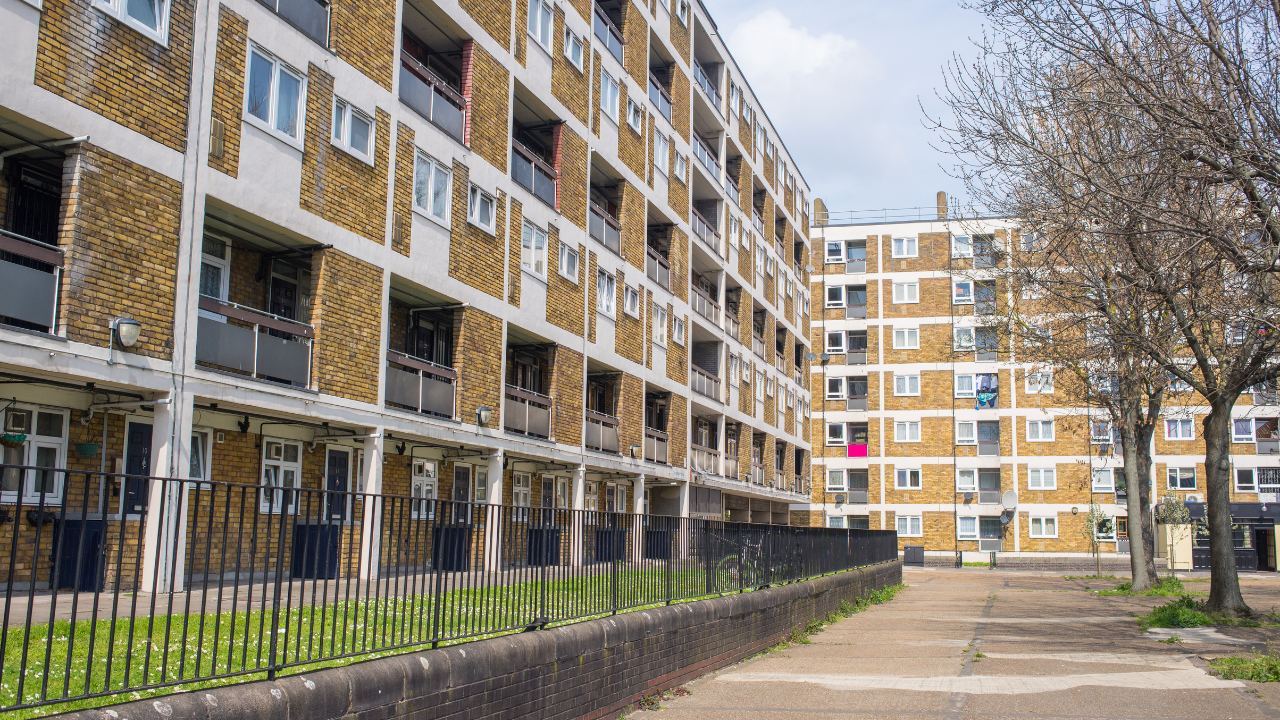
Despite these efforts, the UK still faces a critical shortage of social housing. Many are struggling to find affordable, secure homes. According to Shelter England, a troubling trend has emerged: around 29,000 social homes were either sold off or demolished last year, while less than 7,000 new social homes were constructed. Since the 1980s, the UK has experienced a net decrease of approximately 1.4 million social housing homes, many of which transitioned to the private sector. The country now faces the lowest rates of social housing in decades, with a yearly net loss of about 24,000 homes since 1991, attributed to inadequate new construction, demolitions, or conversions to private housing.
- Reasons for a Social Housing Deficit
Shelter England identifies several factors contributing to the social housing deficit:
- House Building: The rate of house building has significantly dropped over the last 50 years. While the 1960s saw the construction of 3 million homes, only 1.3 million were built in the 2010s.
- House Prices: The disparity between house prices and average salaries has widened. In 2000, the average home cost was about four times the average salary, but by 2021, this ratio had doubled to eight times the average wage.
- Rise in Homelessness and Temporary Accommodation: Homelessness and the consequent need for temporary accommodation have surged. In 2019, 40,000 households were homeless, a figure that more than doubled to 95,000 in 2020.
These factors collectively exacerbate the housing crisis, leaving many unable to afford their own homes and struggling to access social housing. Consequently, individuals and families are often forced to settle for substandard housing conditions, such as damp, damaged, and cramped living spaces.
- Impact of Social Housing Deficit on Low-Income Families
The significant shortfall in social housing in the UK has compelled many low-income families, who ideally should benefit from social rental housing, into the private rental market. This shift often places these families in financially unsustainable situations, increasing their risk of homelessness due to the inability to afford private rents. The pressure has resulted in a growing reliance on temporary accommodation like hostels.
- Rise in Temporary Accommodation
There has been a stark increase in the number of families and individuals resorting to temporary accommodations, with figures more than doubling in the past decade. This trend is reminiscent of the situation around 2007, which coincided with a dramatic increase in house prices.
- Changes in Social Housing Waitlist Trends
Since 2012, there has been a slight decrease in the social housing waitlist, not due to successful housing but because of the reduction in the list by local councils responding to the acute shortage of social homes. This adjustment led to a spike in the number of people in temporary housing in 2020.
Surge in Social Housing Demand
The gap between the need for social housing and its availability is widening. The UK currently has around 1.4 million fewer social homes than in the 1980s. Despite apparent reductions in waitlists, this is largely a result of policy changes in 2011, which granted local authorities more discretion in managing these lists. Stringent eligibility criteria were introduced, leading to the removal of many who did not meet the new requirements, regardless of their housing needs.
Investment Opportunities in Social Housing
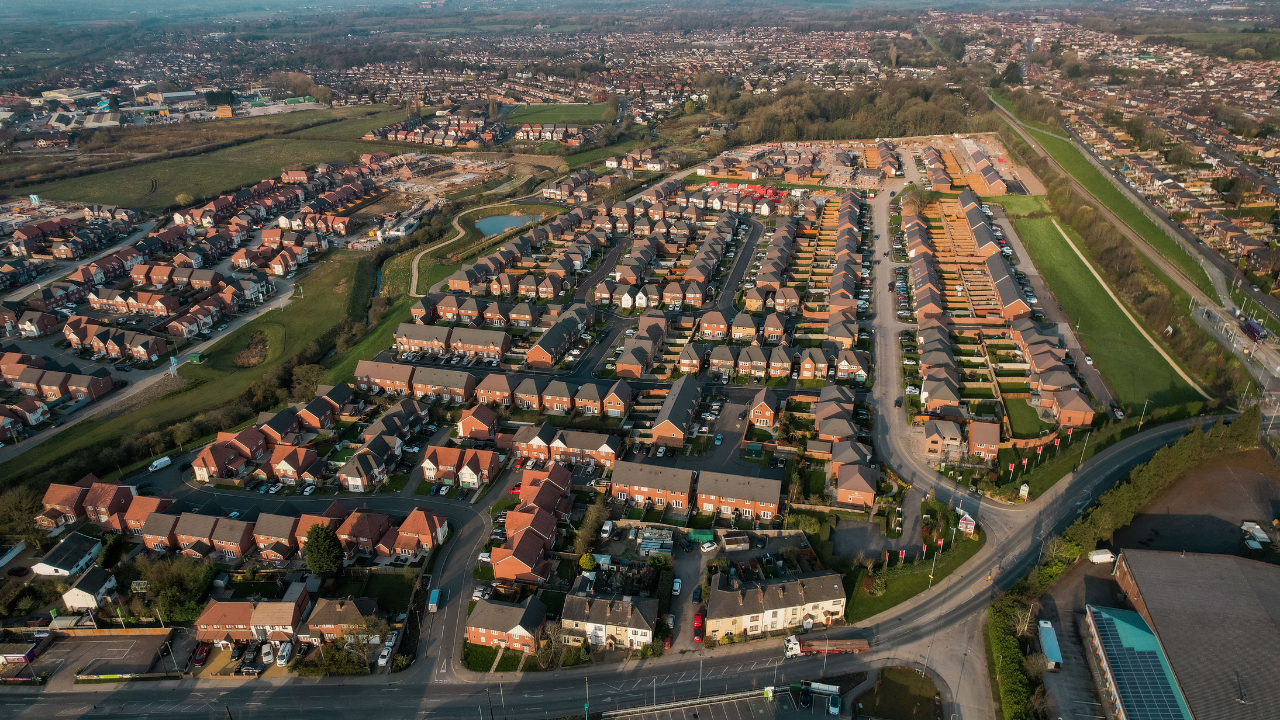
The increasing demand for social housing in the UK, coupled with the prevalence of poor living conditions and the financial strain on those in private rentals, underscores a critical need. This situation presents not only a humanitarian challenge but also an investment opportunity. Global Investments works with renowned property developers and UK Housing Associations to offer avenues for private and institutional investors to invest in UK social housing, which not only promises high yields but also contributes to addressing this pressing social issue.
The investment mechanism typically centres on a long commercial lease — often 10 to 25 years — under which a housing association or registered provider takes on full repairing and insuring (FRI) obligations, meaning the tenant organisation, not the investor, is responsible for maintenance, repairs and insurance for the duration of the lease. Rent reviews are commonly linked to inflation (CPI), sometimes with a floor and a cap that bound how far the rent can move in either direction at each review. This structure is designed to produce a long-dated, largely hands-off income stream, in contrast to a standard assured shorthold tenancy where the landlord retains repairing obligations and the let is reviewed far more frequently. As with any long lease, the financial strength and track record of the housing association counterparty, and the precise wording of the repairing and rent review clauses, determine whether the income proves as reliable in practice as it appears on paper.
Investing in social housing is a long-term commitment that can benefit both society and individual investment portfolios. For those interested in exploring the potential of social housing investments, consulting with property advisors can provide valuable insights into making impactful and profitable investments in this sector.
Risk Disclaimer: This article is for general information only and does not constitute financial, legal or tax advice, a personal recommendation, or an offer to buy or sell any investment. Rules, prices and regulations change; verify current requirements with a qualified adviser before acting. Global Investments is not authorised or regulated by the UK Financial Conduct Authority. Regulated services are provided through the authorised entities set out on our regulatory page. Nothing here has been approved as a financial promotion by an authorised person, and UK residents should not treat it as one.