
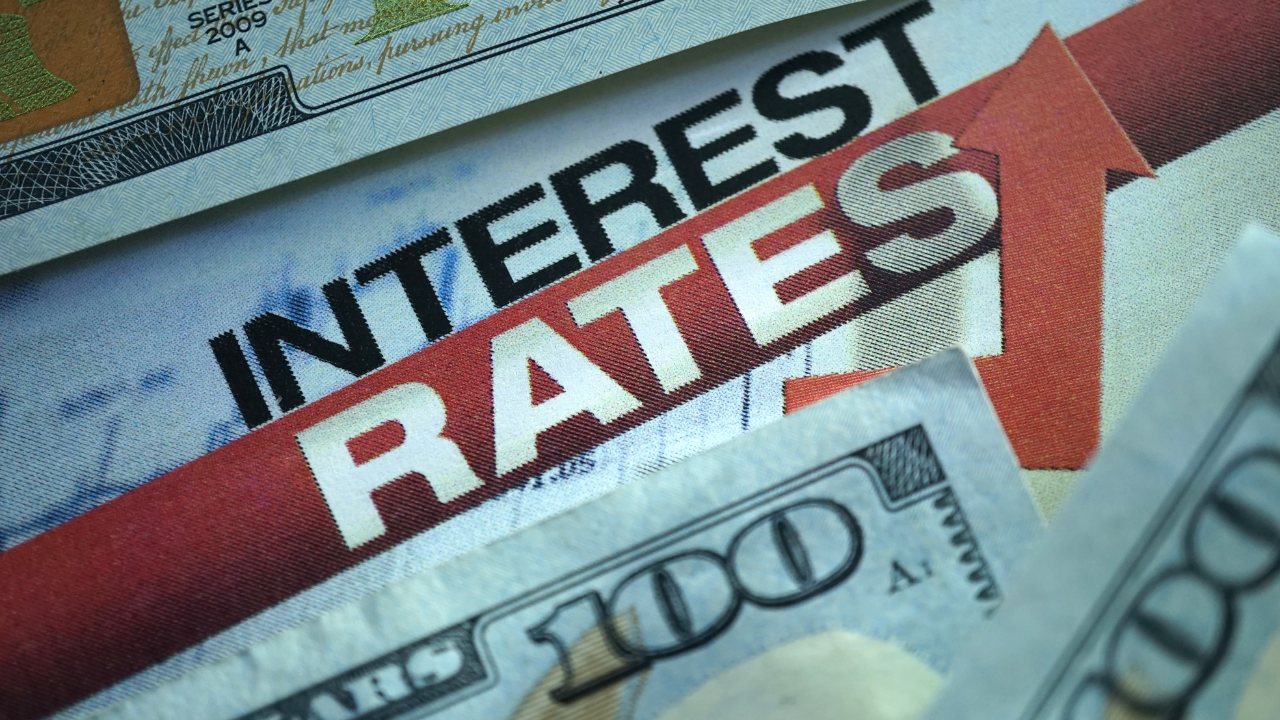
Here's the latest tidal wave in the world of finance: The Federal Reserve just cranked up the policy rate to a range of 5.25%-5.50%, according to a recent Reuters report. That's the highest it's been in 16 years, folks!
Why the surge, you ask? It's all thanks to inflation that's sticking around like a barnacle on a ship's hull. This rate hike is the Fed's 11th in its last dozen meetups, and it sends the benchmark overnight interest rate into the 5.25%-5.50% zone. But don't rest easy yet; they've left the porthole open for potentially more increases.
The Federal Open Market Committee, the guys holding the steering wheel, isn't dropping any anchors yet. They're keeping their eyes on the horizon, assessing new info and its implications for monetary policy. Basically, they're still on the lookout for a safe harbor to end this current tightening cycle.
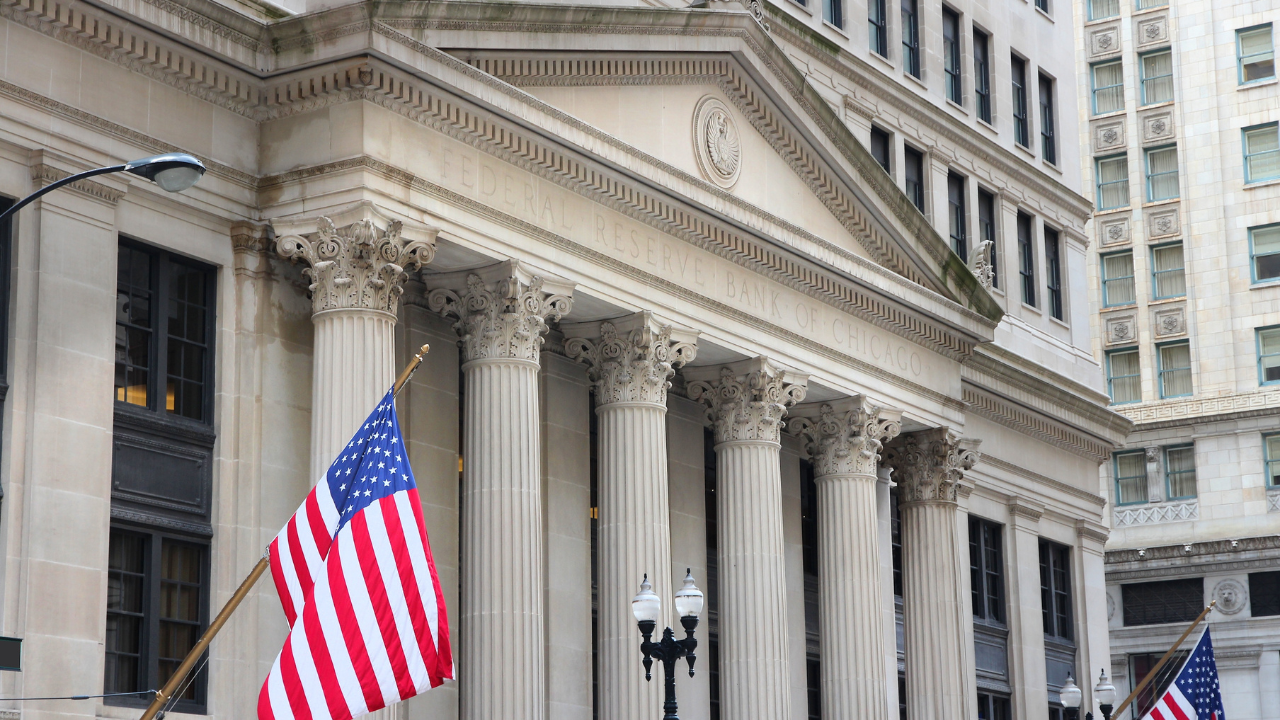
The plot thickens when you realize that even though inflation data since June has been a little softer than expected, the Fed's still keeping its hawk-eye view. They're not ready to switch gears until they've made a bigger dent in reducing price pressures.
"Brace yourselves for possibly more rate hikes if inflation doesn't start calming down," says Kathy Bostjancic, the head economist at Nationwide. But there's a silver lining - she reckons that the Fed might be done with rate hikes for this cycle as easing inflation could passively lead to a tighter policy.
But let's not forget the rest of the picture. The US economy is still going strong, with an unemployment rate bobbing at a low 3.6% even with these rapid interest rate increases. Job growth is still going strong, and the economy is growing at a "moderate" pace, which is an upgrade from the "modest" pace they saw back in June.
Yet, with about two months until the next Fed rendezvous, if we see some continued chill in the pace of price increases, this could be the last rate hike for a while. This journey started with a careful quarter-percentage-point increase in March of 2022 and sped up into the fastest monetary tightening we've seen since the 1980s.
A note on dates. This article reports a single Federal Open Market Committee decision and the commentary around it at the time. Policy rates, inflation and market expectations have moved since. The mechanisms described below, however, are durable, and the sections that follow set them out so the article remains useful long after the particular decision has been superseded. For the current picture see our guides to how interest rates affect your investments and the interest rate outlook for investors.
How a US Rate Decision Reaches the Rest of the World
The Federal Reserve sets policy for the United States, but the dollar's role in global trade and finance means its decisions do not stay there. There are four main channels by which a change in US rates is felt elsewhere.
The currency channel. Higher US rates make dollar assets more attractive relative to assets in currencies offering less. Capital flows towards the dollar and it tends to strengthen. That single movement has second-order effects everywhere: imports priced in dollars become more expensive for everyone else, and exporters to the United States become more competitive.
The dollar debt channel. A great deal of borrowing outside the United States is denominated in dollars, including by governments and companies in emerging economies. When US rates rise and the dollar strengthens, servicing that debt becomes more expensive in local-currency terms, tightening financial conditions in countries that never changed their own policy rate.
The commodity channel. Most globally traded commodities are priced in dollars. A stronger dollar mechanically raises their cost for buyers using other currencies, which feeds into inflation in importing countries — sometimes in the opposite direction to what their own central bank is trying to achieve.
The expectations channel. Markets are forward-looking. Bond yields elsewhere often move in sympathy with US yields, because global investors price assets against a common set of alternatives. Other central banks then face pressure to respond, whether or not their own domestic data warrants it.
What Rate Changes Do to Different Assets
The relationships are mechanical in some asset classes and considerably less so in others.
Bonds respond most directly. Bond prices and yields move in opposite directions. When market rates rise, the fixed coupon on an existing bond becomes less attractive than newly issued alternatives, so its price falls until the effective yield matches the market. The sensitivity of a bond to this effect is measured by its duration: longer-dated bonds move far more for a given change in rates than short-dated ones. Our guide to the impact of interest rates on bond portfolios goes into this in depth.
Equities respond through the discount rate. The value of a company is, in principle, the present value of its future profits. Raise the rate at which those future profits are discounted and the present value falls. This affects companies unevenly: businesses whose value rests on earnings expected far in the future are more sensitive than mature businesses generating cash today. It is the reason rate-driven market moves are so rarely uniform across sectors.
Property responds through affordability. Higher borrowing costs reduce what buyers can pay, which in time affects transaction volumes and prices. For income-producing property, higher rates also raise the return investors require, which reduces valuations even when rents are unchanged.
Cash becomes a genuine competitor. When rates are meaningfully above zero, holding cash carries a real return and a real option value. When they are not, the opportunity cost of holding it grows.
The Two Things Investors Most Often Get Wrong
Forgetting the lag. Monetary policy works slowly. A change in rates takes a long time to feed through borrowing costs, spending decisions, hiring and eventually prices. Central banks are therefore always setting policy against a forecast rather than against today's data — which is why decisions can look puzzling if you read them as a response to the most recent inflation print.
Forgetting that markets price expectations, not events. By the time a decision is announced, markets have usually spent weeks anticipating it. What moves prices is the difference between what was expected and what happened, together with what the accompanying language implies about the path ahead. This is why an announcement can be followed by a market move in what looks like the "wrong" direction, and why repositioning a portfolio after a rate cycle has already been widely anticipated often achieves little.
What This Means If You Live and Invest Across Borders
For internationally mobile investors, rate cycles arrive through more doors than they do for someone whose income, assets and spending are all in one currency.
- Income in one currency, spending in another. A shift in relative rates moves the exchange rate between the two, changing your effective income without anything in your working life changing at all.
- Borrowings and assets in different currencies. A mortgage in one country funded by income or assets in another is a currency position as well as a property one.
- Cash held for a purpose. Reserves earmarked for school fees, a property purchase or a return home should be held with the currency of that future liability in mind, not simply where the best headline rate is available today.
- Portfolio construction. Rate cycles in different regions do not move in step. A globally diversified portfolio experiences them as a blend rather than as a single event.
From a Policy Rate to the Rate You Actually Pay
The number the Federal Reserve sets is the rate at which banks lend to one another overnight. Almost nobody borrows or saves at it. Between that number and the rate on a mortgage, a business facility or a deposit account sit several steps, and each of them absorbs part of the move.
The first step is the yield curve. A policy rate applies to the shortest possible maturity; everything longer is priced off expectations of where the policy rate will sit across the life of the instrument. That is why a rise in the policy rate can coincide with a fall in longer-term yields — the market is not disputing the decision, it is pricing what the decision implies about the years ahead. It is also why borrowing priced off long-term rates may not move at all on the day of a decision that dominates the news.
The second step is the banking system, and this is where the pass-through becomes uneven. Lending rates tend to reprice quickly, particularly variable-rate borrowing that references a policy or base rate directly. Deposit rates tend to reprice slowly, and rarely by the full amount, because a bank has considerably more discretion over what it pays savers than over what it can charge borrowers in a competitive market. That gap is a large part of how a tightening cycle is actually experienced by a household: a cost that arrives immediately and a benefit that arrives late, if it arrives at all.
The third step is contractual. Fixed-rate borrowing does nothing whatsoever until it matures, at which point it reprices in a single jump to whatever prevails then. It is why the effects of a cycle keep landing on people years after the cycle itself ended — and why, for most individuals, the date their own fixed rate expires is a more useful thing to know than the date of the next policy meeting.
Holding the Long View
The most reliable conclusion from any rate cycle is an unglamorous one. Markets incorporate expected policy changes before they occur, forecasts are frequently wrong, and the investors who fare worst are often those who restructure a long-term portfolio in response to each announcement. A strategic allocation that is broadly appropriate across a range of rate environments, adjusted modestly at the margins where the evidence is strong, is a more durable approach than attempting to trade the cycle.
The value of investments can fall as well as rise and you may get back less than you invested. Interest rate forecasts are uncertain and markets frequently behave differently from expectations. This article is general information only and does not constitute personal financial or investment advice.
With such rapid changes in the financial currents, navigating your investments can be challenging. That's where we at Global Investments can help. Our expert team is ready to guide you through these financial seas and chart a course tailored to your financial goals.
So why venture into these choppy waters alone? Contact us today for a complimentary financial planning review and take the helm of your financial journey with Global Investments.

[Reference: Reuters]
This article is for general information only and does not constitute financial, legal or tax advice, a personal recommendation, or an offer to buy or sell any investment. Rules, prices and regulations change; verify current requirements with a qualified adviser before acting.