
Analyzing the Potential of Real Estate Investment in Dubai
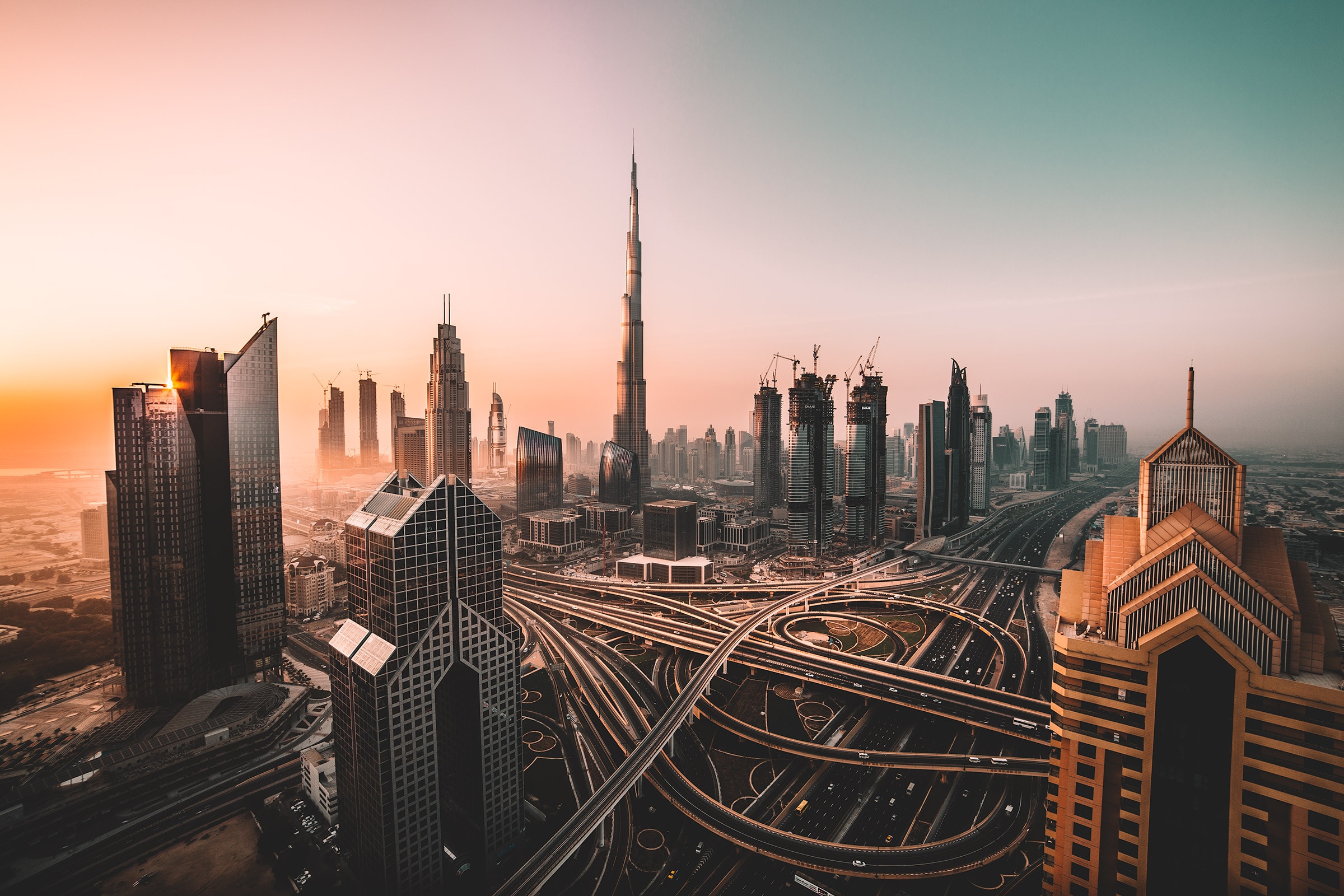
Dubai, a city synonymous with architectural marvels and a thriving economic environment, offers a unique proposition for real estate investors. This analysis delves into the various aspects that make Dubai a potentially lucrative investment destination, beyond the glossy veneer of its towering skyscrapers.
Economic and Political Landscape
Dubai's economy, part of the United Arab Emirates (UAE), is characterized by its rapid growth and diversification. Historically reliant on oil revenues, the city has successfully transitioned to a more diversified economy, with sectors like tourism, aviation, real estate, and financial services playing significant roles. This transition underlines a stable economic environment conducive to investment.
Politically, the UAE is known for its stability in a region often marked by upheaval. This stability, coupled with business-friendly policies and a commitment to infrastructural development, creates a favorable climate for real estate investment.
Currency Stability and Tax Policies
The UAE Dirham, pegged to the US Dollar, provides a stable currency environment. For international investors, this reduces the currency risk typically associated with real estate investments in foreign countries.
The tax regime in the UAE is another compelling factor. The absence of income tax, capital gains tax, and wealth tax on properties can significantly enhance the net returns on investments, making it an attractive market compared to other global cities where tax rates can be substantial.
Healthcare and Infrastructure
Dubai’s focus on developing a world-class healthcare system is evident in its state-of-the-art medical facilities and international partnerships in healthcare provision. This commitment not only improves the quality of life for residents but also adds value to real estate investments in the city.
Infrastructure in Dubai is a testament to its futuristic vision. The city boasts a well-planned public transport system, including metros, trams, and buses, alongside well-maintained roads and airports. The infrastructural efficiency supports residential and commercial properties by enhancing accessibility and value.
Connectivity and Cultural Diversity
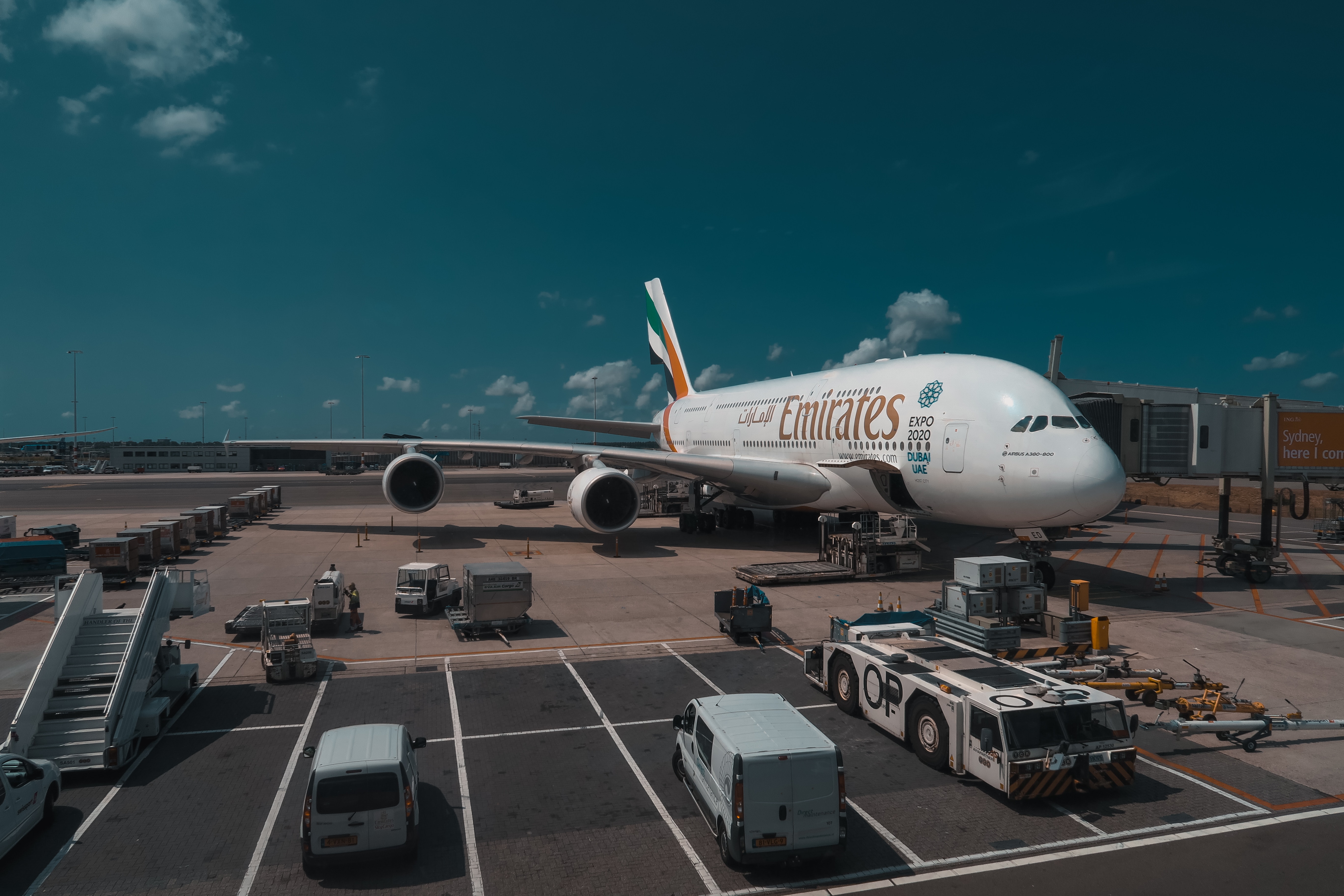
Dubai's strategic location and excellent air connectivity position it as a global hub, accessible from various parts of the world. This connectivity is a boon for real estate, as it attracts international businesses and expatriates, increasing demand for residential and commercial properties.
The cultural diversity in Dubai is remarkable. Home to a multitude of nationalities, it is a melting pot of cultures, which contributes to a tolerant and inclusive society. This cultural amalgamation makes it an attractive destination for expatriates and, in turn, supports the real estate market.
Response to Global Challenges
Dubai's handling of the COVID-19 pandemic showcased its ability to respond effectively to global challenges. The city's proactive measures and crisis management have reinforced investor confidence in its governance and resilience, important factors for long-term investment considerations.
Real Estate Market Trends
The real estate market in Dubai has witnessed fluctuating trends over the years, influenced by global economic conditions, oil prices, and regional developments. However, the government's strategic initiatives, such as long-term visas for property investors and relaxation of ownership laws, have been instrumental in stabilizing the market and attracting foreign investment.
Investment Opportunities
The range of investment opportunities in Dubai is diverse. From luxury villas to high-rise apartments and commercial properties, the city caters to a wide spectrum of investor preferences. The return on investment (ROI) in Dubai's real estate market varies by location and property type, with certain areas offering higher rental yields and capital appreciation.
Challenges and Considerations
However, like any market, investing in Dubai's real estate comes with its set of challenges. The market can be prone to fluctuations influenced by external economic factors. Investors must also navigate the legal and regulatory framework, which, while investor-friendly, can be complex for those unfamiliar with the region.
Future Outlook
Looking forward, Dubai's real estate market shows signs of maturing with a focus on sustainable development and smart city initiatives. The Expo 2020, although delayed, is a milestone event expected to have a long-term positive impact on the real estate sector.
What the Tax Position Does and Does Not Mean for You
The absence of income tax, capital gains tax and wealth tax on property is one of the strongest arguments for the market, and it is also the point most often misread. It describes the treatment where the property sits. It does not describe your own tax position.
An investor who is tax resident elsewhere is generally taxed by their country of residence on worldwide income and gains, so rental income from a Dubai property and any gain on its sale may still be reportable and taxable at home even though nothing is charged locally. For a UK resident, for instance, worldwide income falls to be disclosed to HMRC regardless of where it arises. Where two jurisdictions both have a claim, relief is available either under a double taxation treaty or, where none applies, through unilateral relief — a credit for foreign tax paid against the domestic charge. That credit is capped at the domestic tax attributable to the same income, so it can reduce a liability but not create a refund.
Two further points are commonly overlooked. The first is succession: property held abroad can still fall within the estate tax net of the country the owner is connected to, which means a will and a succession plan covering the asset are worth settling at the point of purchase rather than later. The second is that residence positions change. An investor who is non-resident when they buy may not be when they sell, and the tax outcome can differ materially as a result.
None of this undermines the case for the market. It does mean the net return should be modelled on your own tax position rather than on the local one.
The Currency Peg: What It Removes and What It Does Not
A currency pegged to the US dollar removes one risk and leaves another in place. For an investor whose money, income and liabilities are also in dollars, the peg genuinely does take exchange-rate risk out of the equation. For everyone else, it converts local currency risk into dollar exposure.
A sterling-based investor buying in Dubai is, in substance, taking a position in the dollar alongside the property itself. If the dollar strengthens against sterling, the asset is worth more in the currency they actually spend, and the reverse is equally true. The same applies to rental income, which is received in a currency that may not be the one funding the household.
This is not a reason to avoid the market. It is a reason to know which currency you are genuinely exposed to, to measure performance in the currency you spend rather than the one the asset is priced in, and — where a purchase is funded over time in instalments — to think deliberately about when conversions are made rather than accepting whatever rate happens to prevail on each payment date.
Title, Freehold Zones and Buying Off-Plan
Foreign ownership in Dubai is not uniform across the emirate: it is available in designated freehold zones, and confirming that a specific property sits within one is a basic verification step rather than a formality. It should be established before any deposit changes hands.
The other structural feature of the market is the prevalence of developer payment plans on off-plan property, under which the purchase price is paid in instalments across construction and beyond. These arrangements can be attractive, particularly where they reduce the need for borrowing, but the risks are real and specific: a developer can fail, construction can be delayed, and the buyer does not hold title until the final payment is made. Payment plan arrangements should be protected through escrow held with the Dubai Land Department, and the developer's track record — completions delivered, on time, to the specification promised — matters more than the marketing.
For a buyer weighing off-plan against a completed property, our guide to property finance in the UAE sets out the financing and payment-plan mechanics in detail, and our guide to buying off-plan in the UAE covers the process itself.
From Gross Yield to Net Return
The headline yields quoted for Dubai are generally gross, and the gap between gross and net is where most investors are surprised.
The recurring cost that does most of the work is the service charge, which for apartments is typically the largest ongoing expense an owner faces and frequently the difference between an attractive gross yield and an ordinary net one. It is worth interrogating rather than accepting: ask what the charge covers, how it has moved over recent years, and — critically — whether the building holds a reserve or sinking fund and what major works are anticipated. A building with a low charge and no reserve is deferring a cost rather than avoiding it, and whoever owns the property when the work is done pays for it.
Beyond that, a realistic model needs to account for transaction costs on the way in and again on the way out, agency and letting fees, management if the property is not self-managed, maintenance, insurance where the owner is responsible for it, and periods when the property is empty between tenants. A villa may carry a lower charge per square foot than an apartment while costing more in absolute terms once private grounds, pools and the structure itself become the owner's responsibility.
Our comparison of apartments and villas in the UAE sets out how these costs differ between the two, and our guides to Dubai rental yields and returns and Dubai property taxes and fees cover the income and transaction sides in more depth.
Liquidity and Time Horizon
Property is an illiquid asset in every market, and that has to be built into the plan rather than discovered later. Sale timescales are not within the owner's control, market conditions at the moment you wish to exit may not resemble those at the moment you bought, and money committed to property should not be money you may need at a particular date.
For off-plan purchases the point is sharper still, because the ability to sell before completion is not automatic. Establish at the outset whether and when a contract may be assigned to another buyer, on what conditions, and at what cost.
Why This Market Moves in Cycles
Dubai's price history is usually described as volatile. That is accurate but not explanatory, and the explanation matters more than the label, because it tells you what to watch. Two features of the market push in the same direction.
The first is the supply response. Development land is available, planning is not a lengthy constraint, and off-plan sales fund construction — so when prices rise, new supply is commissioned quickly and cheaply financed by the buyers themselves. But building takes years. Units commissioned near the top of a cycle complete into whatever conditions exist when they are finished, which is often a weaker market than the one that justified starting them. Supply arrives late, in volume, and largely regardless of whether it is still wanted.
The second is the shape of demand. Dubai's residential market is served by a large expatriate population that predominantly rents rather than owns, and expatriate residence is generally tied to employment. A settled domestic population moves house for domestic reasons and mostly stays put through a downturn; a workforce holding employment-linked residence expands and contracts with hiring. Demand therefore tracks the same economic conditions that drive construction, instead of offsetting them.
The two amplify each other rather than cancelling out. Strong conditions produce more buyers and more building at once; weaker conditions withdraw both at once, at exactly the point when the previous cycle's supply is completing.
For an investor, three things follow. Judge an entry price against a full cycle rather than against recent momentum. Hold a horizon long enough that you are never obliged to sell at the bottom of one. And treat any projection that extends a recent run of growth in a straight line with scepticism — in either direction, since the same reasoning applied at the bottom of a cycle has been just as wrong.
Who This Market Suits
Dubai's attractions are genuine, but they suit some investors considerably better than others. The market tends to work for buyers with a medium to long horizon, no need for the capital in the interim, an existing dollar exposure or a considered view on taking one, and a willingness to treat the purchase as an operating asset with running costs rather than a passive holding.
It works less well for investors who need certainty of income, who may require the capital at a fixed future date, who are uncomfortable with a market that has historically moved in cycles, or who are relying on a headline yield figure they have not tested against the full cost base.
Property values and rental income can fall as well as rise, past performance is not a guide to future returns, and nothing in this analysis is a recommendation for any individual. Anyone considering a purchase should take independent legal advice in the jurisdiction and tax advice in their own before committing.
Conclusion
Dubai presents a compelling case for real estate investment, characterized by economic stability, favorable tax policies, world-class infrastructure, and strategic global positioning. However, like any investment, it requires careful analysis and understanding of the market dynamics. Potential investors should consider the city's economic diversification, political stability, infrastructural development, and cultural inclusivity, alongside the challenges and risks inherent in real estate investment. As the city continues to evolve, it remains an intriguing destination for real estate investors looking for opportunities in a dynamic and growing market.
For expert advice on investing in Dubai real estate, contact Global Investments and book a consultation today.
This article is for general information only and does not constitute financial, legal or tax advice, a personal recommendation, or an offer to buy or sell any investment. Rules, prices and regulations change; verify current requirements with a qualified adviser before acting.